Flexible Auto Financing Options That Welcome Buyers with Every Credit Score

A dealership’s finance office often decides whether a sale closes or walks out the door. Lots selling used cars in tucson see a steady stream of shoppers whose credit scores fall below 661, the point where Experian’s tiers stop calling a borrower prime. Turning those people away means giving their business to a competitor down the road.
What these buyers want is simple. They’re asking three questions: Will I get approved? Can I afford the monthly payment? Will the terms change after I sign? A dealer who answers all three clearly earns trust before the test drive ends.
Problems start when financing is handled case by case. One manager approves a deal on Monday that another rejects on Friday. Terms drift, paperwork gets missed, and some contracts unwind after delivery because a lender won’t fund them.
Build the Framework First
Gut feeling doesn’t scale. A written financing process gives every salesperson the same rules, protects the dealership from compliance trouble, and makes results easy to measure.
- Sort applicants into clear credit tiers before quoting any rate.
- Match each tier to specific lenders.
- Set minimum down payments for every tier.
- Disclose the full price and APR in writing.
- Track approval rates every month.

Tiered Lender Networks
The idea is to work with several lenders that each serve a different credit band. Prime buyers go to banks offering the lowest rates. Subprime applicants go to specialty lenders that accept more risk.
In practice, rates spread widely. Experian’s 2025 figures showed used vehicle loans averaging roughly 7% for super prime borrowers but close to 21% for deep subprime borrowers. That gap shapes every deal you write. The limitation is lender approval rules, which can tighten quickly when defaults rise.
Credit Union Partnerships
Credit unions often price used vehicle loans a few points below banks. They’re also more willing to consider a member’s full financial picture rather than one score.
Dealers selling used cars in Tucson can sign on as indirect lending partners with local credit unions. Buyers then get competitive rates without leaving the showroom. The catch is membership rules, which sometimes slow approvals by a day or two.
In House Financing
Some dealers lend their own money, an approach often called buy here pay here. It’s useful for buyers with recent repossessions or very thin credit files.
The dealer keeps full control over approvals plus collections. Cash flow becomes the real challenge, since money comes back slowly over 24 to 48 months while inventory still needs funding today. Default rates in this segment also run much higher than with traditional loans.
Structuring Down Payments
A larger down payment lowers lender risk. Many subprime lenders ask for at least $1,000 or 10% of the sale price.
Trade ins can cover part of that amount. Shoppers comparing used cars in Tucson respond well when staff show them how a bigger upfront payment cuts the monthly bill. The difficulty is that many credit challenged buyers simply don’t have extra cash available.
Action Plan
- Review your current lender list and note gaps by credit tier.
- Add at least one subprime lender plus one credit union partner.
- Write a one-page tier chart for the sales floor.
- Train staff to explain APR in plain terms.
- Pull a soft credit check early to avoid surprises.
- Audit every funded deal weekly for missing documents.
A Reality Check
Plenty of dealers struggle here because they chase approvals instead of good loans. Stretching a term to 84 months makes a payment look small, yet it raises the chance of default. Some staff also skip disclosures to speed things up, which invites regulatory trouble.
Market conditions matter too. When the Federal Reserve raises rates, lender costs climb within weeks. Approval rules that worked last spring may fail this winter.
Long Term Improvement
Progress comes from reviewing numbers every month. Track approval rates, funding times plus early payment defaults by lender. Drop partners that underperform. Test one change at a time, such as a new down payment rule, so you can see what actually worked.
Frequently Asked Questions
- Can dealers legally charge higher rates for low credit buyers?Yes, within state limits. Rates must be disclosed clearly before signing.
- How long should a subprime loan term run?Keep it under 72 months when possible to limit negative equity.
- Do soft credit checks affect a buyer’s score? Only hard inquiries appear in scoring models.
- What’s the fastest way to raise approval rates?Add lenders that cover your weakest credit tier.
Flexible financing works best when it’s treated as a system rather than a favour. Dealers who follow clear rules, review their results honestly and adjust a little each month will close more deals with fewer headaches. Perfection isn’t the goal here. Steady execution is.

A Practical Way to Think About Vehicle Size
Vehicle size is one of those things that looks simple until you actually have to live with the car. A larger vehicle may give you more passenger and cargo space, while a smaller one can be easier to park and manoeuvre. Neither choice works for everyone.
When looking through https://www.mikecalvertfordofhouston.com/new-vehicles-houston/, it helps to think about size in terms of regular routines rather than choosing simply between small and large.

A Few Practical Checks
Before deciding which size works, consider these points:
- Parking: Is there enough room in the places you normally park?
- Passengers: How many people will usually travel in the vehicle?
- Cargo: What do you regularly need to carry?
- Access: Is it easy for passengers to get in and out?
- Visibility: Can you see clearly around the vehicle?
- Manoeuvring: Does the size feel manageable on tighter roads?
- Storage: Is there enough room for everyday items?
These questions can reveal something that a simple size label cannot.
Compare the Tradeoffs
There is no perfect size. There are tradeoffs.
| Consideration | Smaller Vehicle | Larger Vehicle |
| Parking | Usually easier in tighter spaces | May need more room |
| Cabin space | Can be more limited | Often offers more room |
| Cargo | Suitable for lighter everyday loads | More useful for larger loads |
| Manoeuvring | Often easier in confined areas | Can require more space |
| Passenger needs | Works well for smaller groups | Better suited to frequent passengers |
| Garage space | Usually easier to accommodate | May require careful checking |
For someone using https://www.mikecalvertfordofhouston.com/new-vehicles-houston/ as part of the search, this kind of comparison can help narrow the choices before visiting a dealer.
Do Not Forget the Occasional Need
It is tempting to think only about normal weekday driving. Weekend use can change things.
Maybe there are regular trips involving luggage. Perhaps sports equipment, tools or other bulky items need to be carried. Maybe relatives visit often and extra seating becomes useful.
The trick is to separate regular needs from rare ones.
If something happens once or twice a year, it may not justify choosing a much larger vehicle. There may be another way to handle that occasional requirement.
Choose the Size You Will Actually Use
The right vehicle size is less about getting the biggest cabin or the smallest body. It is about finding a comfortable middle ground for the life the vehicle will lead.
Check the parking situation. Sit in the seats. Look at the cargo area. Try getting in and out. If possible, drive the vehicle in places similar to your normal routes.
Those simple checks can tell you more than a size label. A vehicle that fits your regular routine is usually easier to appreciate long after the showroom visit is over.

Compact Used Cars Combining Efficient Performance with Convenient Daily Mobility
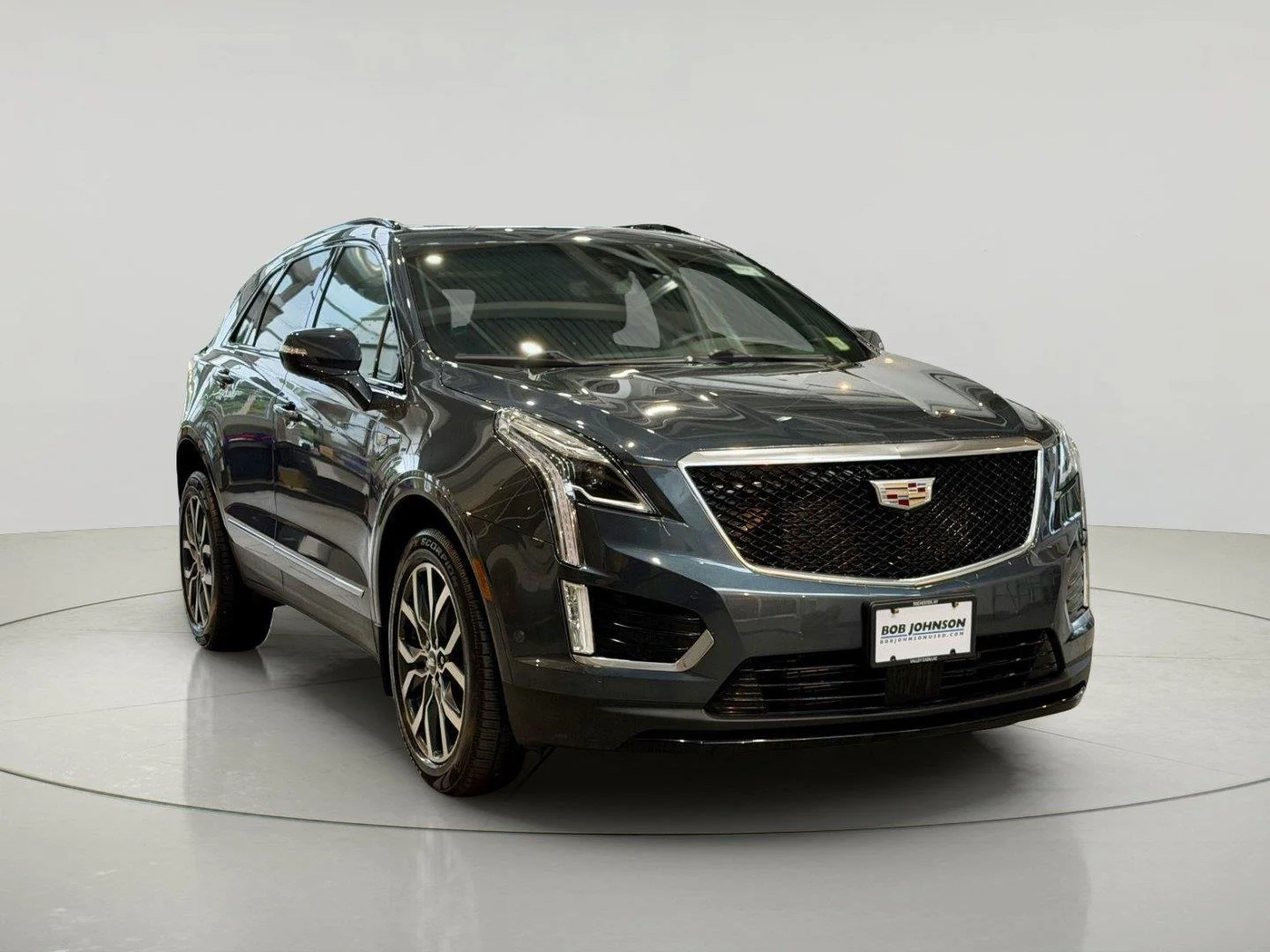
Small vehicles can make regular driving easier when space is limited. Used cars can suit everyday needs through manageable dimensions and sensible running costs. Compact proportions can simplify parking while modest engines may support steady fuel use. Simple controls can reduce distractions during routine journeys. Buyers can compare condition with mileage. The valley cadillac used dealership in Buffalo, NY offers used vehicle options for different everyday driving needs.
Practical Size For Routine Driving
Smaller body dimensions can simplify parking in narrow spaces. A compact shape can make turning easier around busy streets. Reduced exterior length may also help when fitting into limited parking areas. Cabin capacity should still match the number of regular occupants. Buyers can assess door access and seating room before deciding whether the available dimensions suit their daily routine.
Efficient Power For Regular Use
Engine output should match common driving needs without unnecessary strength. Balanced power can support smooth movement during regular errands. Fuel use may remain sensible when engine capacity suits expected distances. Maintenance records can also show whether the power system received regular attention.
Useful Features For Everyday Needs
Thoughtful equipment can make repeated driving easier to manage. Storage areas can keep personal belongings organized during regular use. Clear controls can help drivers operate essential functions without confusion. Rear space should provide enough room for regular passengers or occasional items, making valley cadillac used dealership in Buffalo, NY a helpful destination for finding vehicles suited to everyday transportation.
| Feature | Why It Matters |
| Fuel economy | Helps manage recurring running expenses |
| Rear space | Supports passengers or occasional cargo needs |
| Parking aids | Assists with close space positioning |
| Control layout | Makes common functions easier to operate |
Convenient Features For Daily Mobility
Practical equipment can improve how easily a vehicle fits regular routines. Buyers may look for adjustable seating that supports different driving positions. Rear visibility can assist with parking in restricted areas. Connectivity features can support simple phone access during necessary situations.
- Adjustable seating helps accommodate different driver preferences during routine use.
- Rear visibility supports easier positioning within restricted parking areas.
- Storage compartments provide places for frequently carried personal belongings.
- Simple controls allow essential functions to remain easy during driving.
- Phone connectivity supports convenient access to important communication features.
Balanced Performance Supports Daily Needs
A suitable vehicle should combine manageable size with dependable road behavior. Steering response should feel predictable during turns and parking movements. Braking performance deserves attention during a practical road test. Suspension behavior can also influence how smoothly regular journeys are handled.
A sensible purchase begins with clear priorities around space, performance and equipment. Matching engine strength with expected use can support steady operation while suitable dimensions simplify parking. Checking features against daily requirements can prevent unnecessary spending. Careful comparison of condition and practical needs can help buyers select cars that remain useful for regular transportation.

Explore Mountain Roads With Confidence And Freedom Today
Planning a regular trip feels straightforward. You book a place, pack a bag, follow the highway. But when someone starts looking into Adventure vehicle rentals, something shifts a little. The road stops being background noise. It becomes part of the plan. This guide walks through what really matters before you head toward mountain routes, uneven trails, and open terrain.
Why off road travel feels different
It is not only about rough ground. It is about attention.
On paved roads, your body relaxes into repetition. Straight lines. Familiar turns. Predictable stops. Off road driving interrupts that pattern. The steering feels heavier. The surface changes without warning. You respond more often.
And that response keeps you present.
Some drivers enjoy the technical focus. Others simply want access to scenic areas that normal vehicles cannot comfortably reach. There is no single reason people choose this kind of travel. It varies more than most expect.
Choosing the right vehicle for rough terrain
The choice is less complicated than it sounds. Still, it deserves thought.
Ask yourself a few practical things:
- How many people are joining
• How much gear you are carrying
• Whether you prefer compact handling or larger stability
• What type of trail you plan to explore
A rocky incline demands different capability than a wide dirt path. And sometimes people overestimate what they need. A moderate setup often works perfectly for first time explorers.
Bigger is not always better. It just depends.

Planning routes before heading out
Route planning sounds obvious. Yet many skip it.
Check the elevation profile. Review trail difficulty if ratings are available. Look at weather patterns for the day. Mountain conditions can change within hours.
Some drivers like structured loops with clear entry and exit points. Others choose flexible paths and decide along the way. That freedom is part of the appeal, but preparation keeps freedom from turning into frustration.
It does not require overplanning. Just awareness.
Safety habits that matter on steep trails
Control matters more than confidence.
Slow throttle. Gradual braking. Avoid sudden steering corrections. These small habits make a large difference when surfaces are uneven.
And if something looks uncertain, stop. Step out. Look at the path. No rush.
A calm decision often prevents a complicated situation later.
Simple booking tips travelers often forget
Availability shifts during peak travel seasons. Booking early usually offers better selection.
Double check identification requirements. Review cancellation flexibility. Confirm mileage expectations.
These are not dramatic details. But overlooking them can create avoidable stress.
Just small reminders.
For many, the attraction of adventure vehicle rentals is not extreme terrain or dramatic risk. It is controlled exploration. The ability to reach open spaces without feeling rushed.
The road becomes textured. The pace slows. And for a few hours, or maybe a full day, the drive itself feels meaningful in a way regular highways rarely do.

Budget-friendly ways to buy used cars without overspending stress
Buying a pre-owned vehicle can feel heavy when money limits are tight. Many people worry about hidden faults, rising charges, and poor seller claims. Smart planning removes most pressure before you pay anything. When people search for used cars in chandler, they often want simple steps that protect savings and lower risk. Clear checks, price research, calm negotiation, and timing help you stay in control during the purchase journey.
Know your total limit first.
Start with a clear expenditure cap before you look at any listing. Contain transfer fees, repairs, insurance costs, and registration charges. This full picture prevents surprise payments later. A fixed number guides every choice and blocks emotional decisions during seller talks.
Separate needs from wants
Write must have features on paper first. Write optional extras on another line. Focus only on the must-have list while searching. This reduces distraction and keeps spending under control. Extra features often raise the price without adding real daily usefulness.

Review the ownership history clearly.
Ask for full ownership records and usage details. A transparent history reduces risk and supports fair pricing. Check service notes and repair proofs carefully. Consistent records show better care. Missing details usually signal future expense or a negotiation opportunity for a lower deal.
Inspect the condition with patience.
Never rush a physical check. Look at body panels, tires, lights, seats, and controls closely. Test every switch and indicator. Small faults can become large bills later. A slow inspection protects your wallet more than fast excitement during the first viewing.
Always request a test drive.
A proper drive reveals issues that photos never show. Listen for odd sounds and feel brake response. Check steering balance and gear movement. Drive on mixed roads if possible. Real movement testing prevents regret after payment is completed.
Use an independent mechanic’s view.
Pay a trusted technician for a quick review before buying. Expert eyes catch hidden damage and worn parts. This small fee often saves large repair costs later. A written report also gives you leverage while discussing the selling price.
Time your purchase wisely
Sellers often reduce rates near the month’s end or during stock clearance periods. Waiting for the right moment can cut costs meaningfully. Avoid urgent buying unless required. Patience works like a discount tool when combined with steady market watching.
Careful research, calm checks, verified records, steady timing, and firm negotiation create safer buying results for used cars in chandler. These actions lessen waste and save money. A planned method turns risky buying into a controlled choice that supports lasting monetary steadiness.

Proper auto glass care improves safety and driving confidence daily
You do not notice glass when it is fine. That is how it should be. The moment you start noticing it, something is already off. A glare you did not have before. A faint line that catches light at night. Tiny things like that mess with your focus. Not panic level. Just enough to make driving feel slightly uncomfortable. Over time, that discomfort builds. Once people become aware of this shift, go here blends into everyday thinking about keeping things normal, not fixing a disaster.
Structural role of your windshield and windows
Glass holds more responsibility than most drivers give it credit for. The windshield supports the roof and helps airbags work correctly. It is part of the safety system, not an accessory. Side windows also play their role by maintaining balance and protecting passengers during sudden movement.
When glass integrity is compromised, the car does not fall apart instantly. Instead, it feels looser. Slightly noisier. Less solid. Those are warning signs people often ignore.
Day to day habits that maintain clarity
Clear glass comes from boring habits. Cleaning it gently. Replacing wipers before they scrape. Avoiding harsh cleaners that leave residue. None of this feels important until it is skipped for too long.
Heat matters too. Parking under direct sun every day increases glare over time. Blasting cold air on a hot windshield adds stress inside the glass layers. Waiting a minute helps more than people think.
These habits do not announce results. They just quietly work.

When a chip becomes a serious problem
Most chips look harmless at first. Small. Easy to forget. That is why people delay. Glass does not forgive delay. Temperature changes and road vibration do the rest.
Often the first real sign is not the crack itself. It is light distortion. Night glare. A feeling that your eyes are working harder than usual. That stage matters. Acting there keeps things simple.
Preparing for glass service visits
Preparation affects outcomes. Clearing the dashboard helps. Mentioning sensors helps. Planning time after service helps even more.
Afterward, pay attention. Wind noise. Distortion. Anything unusual should be addressed early. Waiting turns small adjustments into bigger fixes.
Before stepping away from this topic, it helps to remember something simple. Driving confidence comes from trust. Trust in your car. Trust in what you see. When glass is cared for properly and decisions feel informed, go here fits naturally into routine thinking. Nothing dramatic. Just fewer distractions, steadier focus, and driving that feels the way it is supposed to feel.